A NEW HAND HELD Pain Relief DEVICE
for Medical Professionals
So simple your patients can use it at home.
Are you sick of relying on insurance for most of your income?
Imagine having a new device you can rent to patients to use at home.
They get a better outcome, you get more income
The Challenges
We understand your frustration. We hear it every day. More paperwork, more restrictions, smaller reimbursements. It’s tough…
It's Not What You Think
If you thought the answer was to see more patients, think again, that might cause even more problems. We show you how to dramatically increase cash flow without increasing staff or the number of patient visits.
A Smarter Solution
It’s called
The Stimpod Strategy.
A proven business model featuring a new FDA-cleared device and our VIP fly-in to spend 2 days at your clinic.
Who We Serve
MDs
Physical Therapists
Chiropractors
Plastic Surgeons
Cosmetic Dentists
See How Patients Are Responding
Build a Niche & Attract
We help you cultivate a niche, become the local authority, and attract high-value “Pay-tients” who are willing to pay cash for advanced treatments that improve their quality of life not just mask their pain.
Hands-On Training for Your Team
We fly to your clinic to spend 2 days training you and your staff giving you the confidence and expertise to deliver state-of-the-art treatment effectively.
Take Back Control
You’ll discover plenty of patients willing to pay for the things they truly want even when their insurance won't. (Think: plastic surgery, cosmetic dentistry and stem cells) If they really want it they'll pay for it.

Your patients will be grateful.
Your CPA will be amazed
Here's one very profitable niche
Neuropathy
- This is a huge, frustrated patient population searching for solutions
- Many of them have been told for years to “Just learn to live with it”
- Common prescriptions like Gabapentin often cause drowsiness and other side effects
- Patients can choose in-clinic treatment twice a week for 8 weeks
- Or they can do the treatments at home for 6 weeks
- The home-based treatment often delivers even better outcomes
- This flexibility increases patient satisfaction and compliance
More Revenue, Less Time
- Each home treatment package frees up 15 appointments you can sell to other partients
- Or reduce your working hours
- You can generate income while you sleep
- Most clinics charge the same case fee for both packages
We also teach you how to help patients get relief from other issues like hips, knees, Bell’s palsy, failed orthopedic surgery, urinary incontinence, TMJ, postherpetic neuralgia and numerous others.

Expert Training At Your Clinic
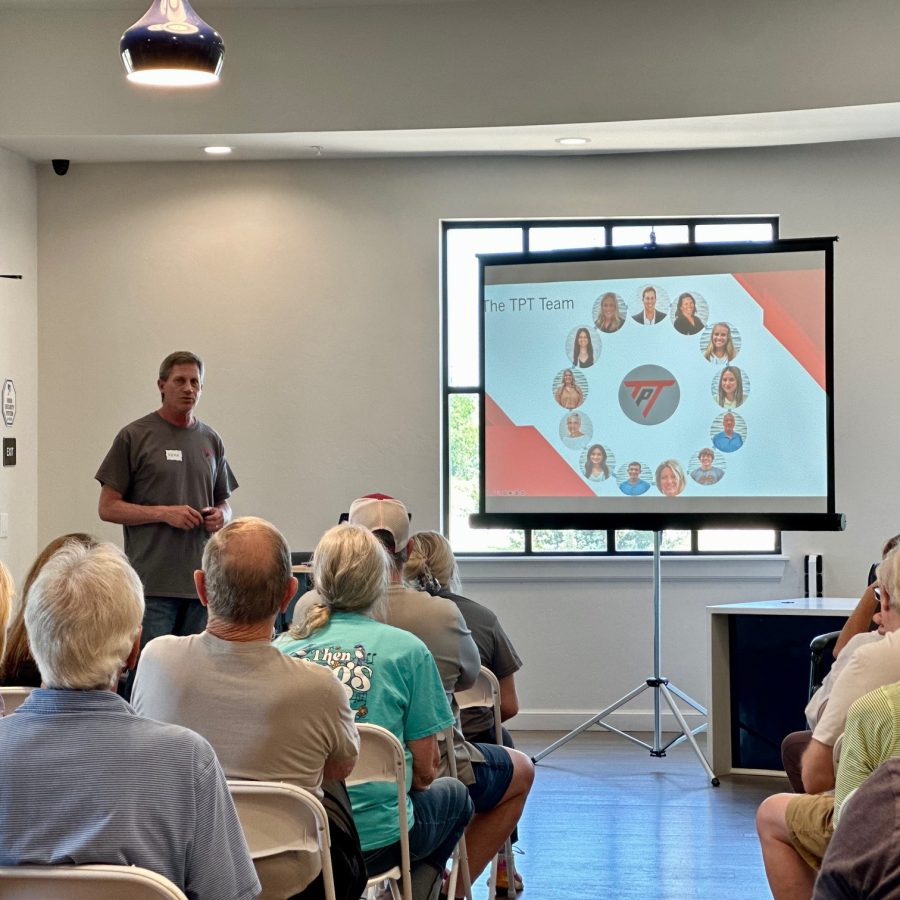
When we fly in we assist with 10–15 of your most complex cases, help you run 3 standing room only Neuropathy workshops, and we help you close packages and become a true workshop wonder.
Workshops That Drive Results
Workshops are incredibly powerful. Instead of explaining your new treatment plan to one patient at a time, you present to a room full of people facing similar problems, creating a more engaging and impactful experience.
Real Patient Experience
At your workshops, patients get to actually experience Stimpod. We ask them "Which leg is worse?" We do two 5-minute nerve Stimpod treatments on that leg, they feel it, then they walk around.
They love it. They want to start a treatment plan.
Emotional Connection & Trust
The room transforms. Patients share stories, emotions rise, tears flow, and moments of joy and high-fives happen.
You build a strong sense of community, trust, and hope.
Conversions Happen Naturally
We see it all the time: different clinic, different city, same outcome. Right at the workshop, some patients sign up for a treatment plan, others book an eval to help figure out their best path.
Guaranteed Success & Easy to Get Started
We guarantee results, which is why we fly in, it's to ensure your success. We make it easy for you to get started with financing options like $0 down and no payments for the first 90 days—so you can start banking some cash!
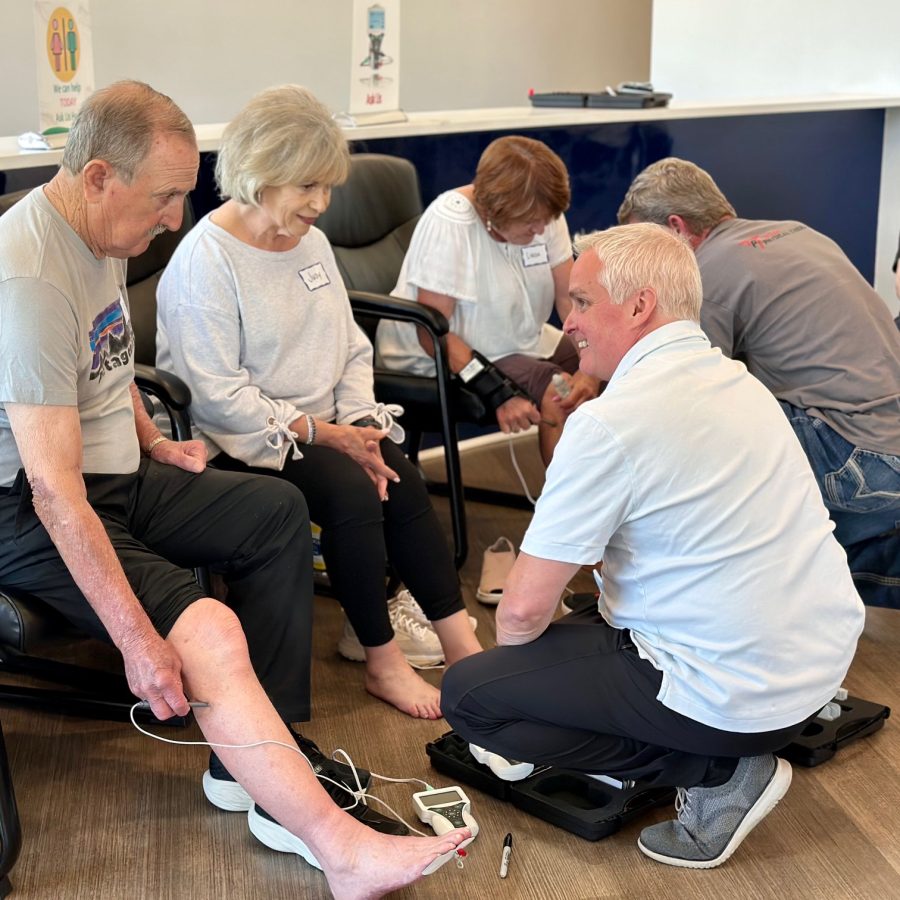
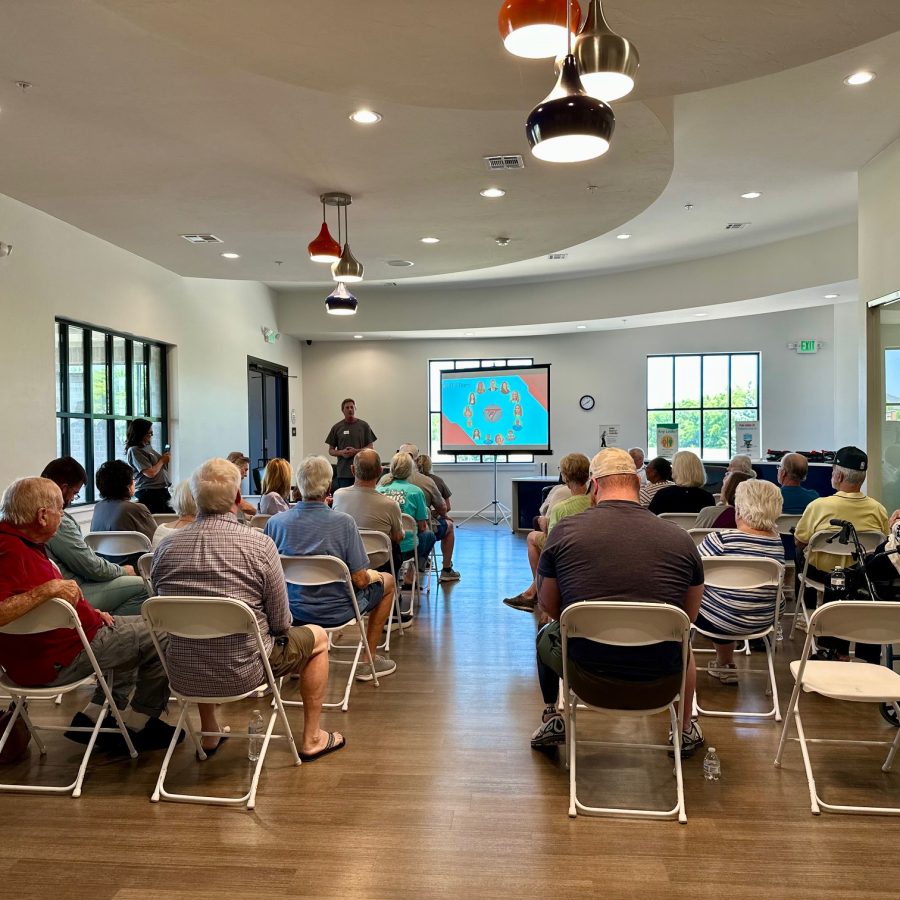
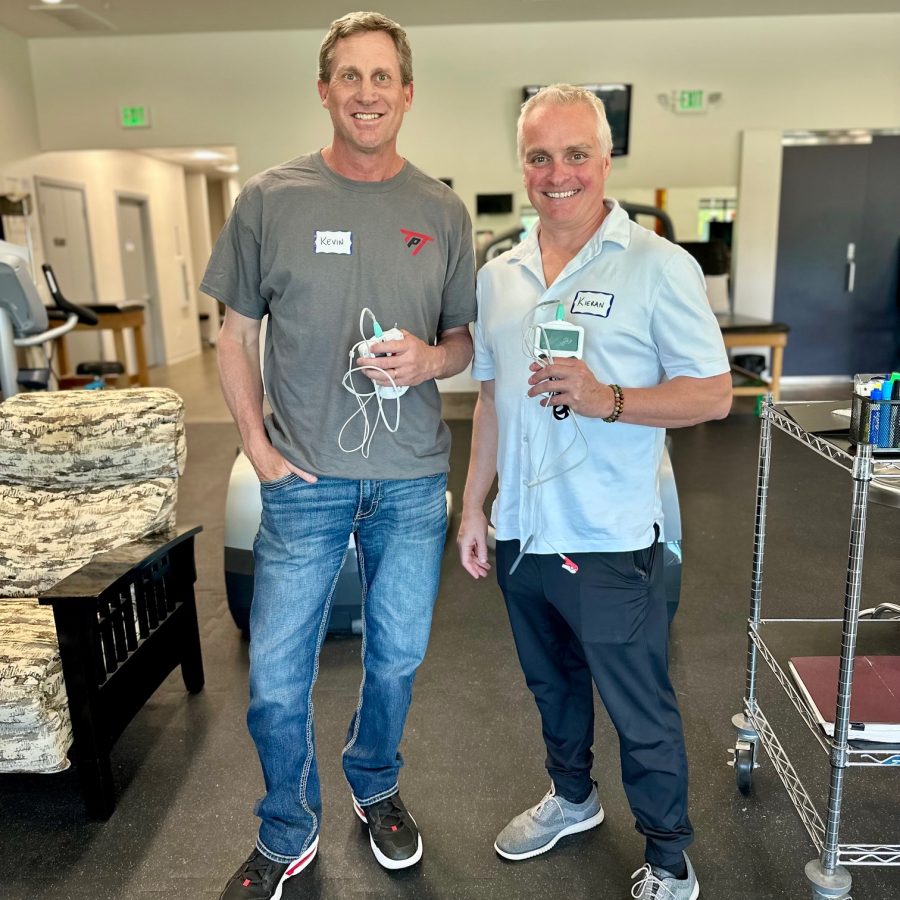
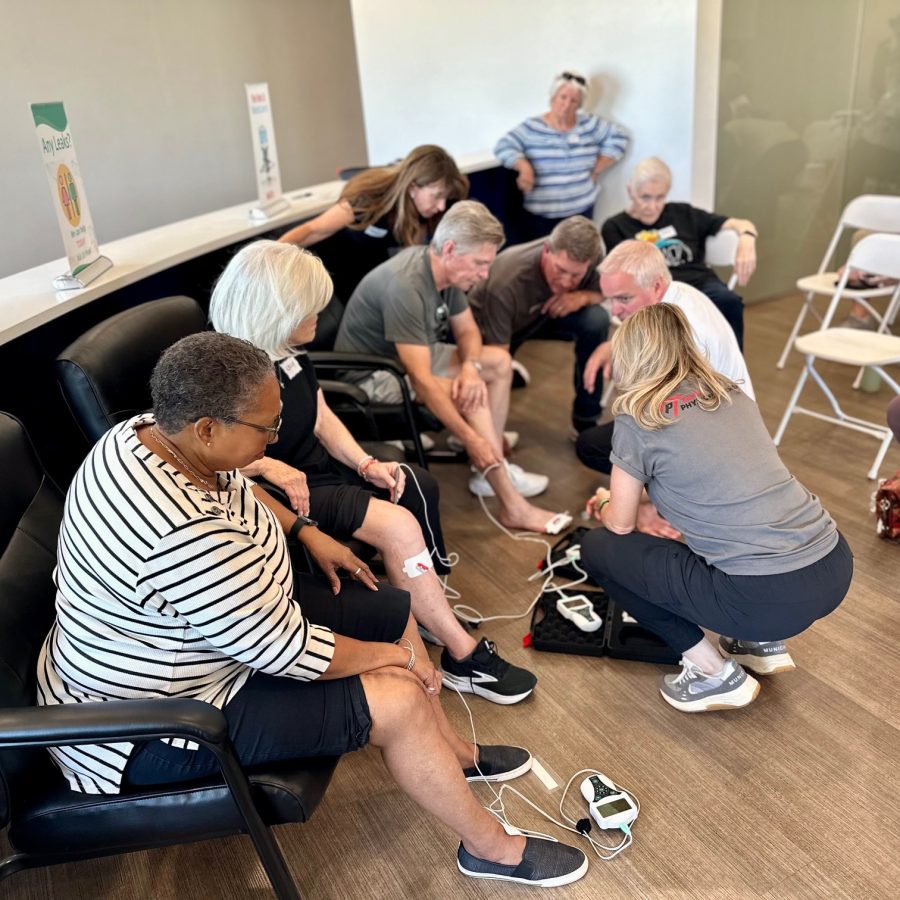
At workshops we typically hear comments like:
“Wow, the leg you just treated for 10 minutes already feels different”
“I can feel the temperature of the floor”
“I’m walking better”
“When can I start?”
“I want one of your 5 Stimpods so I can do this at home”
“My brother’s going to want this too. Can you save one for him?”
You’re going to love doing workshops.
$150,000
Money Back Guarantee!
We put our money where our mouth is.
Order our 6-Pack and schedule our fly-in to help you get started the right way.
If you don’t collect at least $150,000 in additional revenue in your first 12 months, we’ll buy it back.
01
Order your 6-pack
02
Schedule your fly-in
03
Put the plan into action
STIMPOD & Neuromodulation FAQ for Chiropractors, Physical Therapists and Healthcare Professionals
Yes. The STIMPOD NMS460 is an FDA-cleared Class II transcutaneous electrical nerve stimulator for pain relief.
Its cleared indications include symptomatic relief and management of chronic intractable pain, adjunctive management of post-surgical and post-traumatic acute pain, and adjunctive pain control associated with rehabilitation exercises.
FDA clearance should not be interpreted as meaning that STIMPOD is specifically cleared to cure or reverse neuropathy or every condition for which clinicians may investigate or use neuromodulation.
Both STIMPOD and TENS use electrical stimulation, but a TENS device is using gate theory to just confuse a nerve. STIMPOD utilizes a proprietary Hybrid RF waveform to actually help change the nerve function.
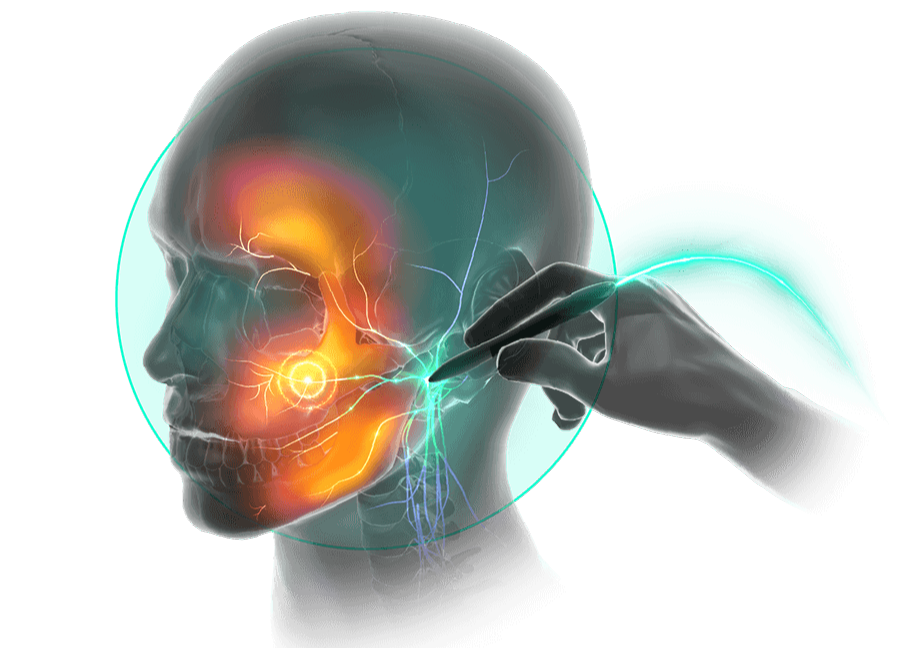
STIMPOD uses a hand held stylus that enables the clinician to target specific peripheral nerves rather than relying exclusively on larger adhesive electrode pads positioned over a general painful area.
For clinicians evaluating pain-management technology, these differences are important. STIMPOD should not simply be viewed as another consumer TENS unit.
STIMPOD delivers controlled electrical stimulation through the skin using a point-contact surface electrode. The clinician can use this electrode to locate and stimulate specific peripheral nerves.
The NMS460's proprietary stimulation pattern includes a high-frequency shaped sinusoidal burst superimposed on its stimulation pulse. The objective is to provide targeted neuromodulation for pain management.
Treatment protocols and appropriate nerve targets depend on the individual patient, clinical presentation, professional judgment, device instructions, and applicable scope-of-practice requirements.
Neuromodulation broadly refers to changing or influencing nervous-system activity through a targeted stimulus.
Electrical neuromodulation technologies use controlled electrical stimulation to influence neural activity. Different technologies vary significantly in their waveforms, frequencies, electrodes, targeting methods, intended uses, and regulatory indications.
STIMPOD is a non-invasive transcutaneous nerve stimulation technology intended for pain management.
Yes. STIMPOD may be incorporated into chiropractic practices when its use is consistent with the practitioner's training, applicable state scope-of-practice rules, the device labeling, and the needs of the individual patient.
Many chiropractors investigate STIMPOD because they are looking for non-drug technologies that complement manual care and give them another option for patients experiencing chronic pain.
Practitioners should independently determine whether use of the device is appropriate within their jurisdiction and scope of practice.
STIMPOD can be relevant to physical therapists and rehabilitation practices looking for an additional non-drug pain-management modality.
The FDA-cleared indications specifically include adjunctive pain control associated with rehabilitation exercises, making the technology particularly relevant for rehabilitation professionals evaluating electrical neuromodulation.
As with any modality, use should be based on patient assessment, clinical judgment, device labeling, professional training, and applicable scope-of-practice requirements.
Peripheral neuropathy can involve symptoms such as burning pain, tingling, numbness, altered sensation, and discomfort that can significantly affect a patient's quality of life.
Because neuropathic pain can be difficult to manage, clinicians frequently investigate non-drug approaches that can complement a patient's existing medical care.
STIMPOD is used by some clinicians as a pain-management technology for patients presenting with neuropathic pain. However, the distinction is important: the NMS460's FDA clearance is for pain-management indications and should not be interpreted as an FDA clearance to cure, reverse, or regenerate nerves affected by peripheral neuropathy.
The STIMPOD NMS460 is FDA cleared for pain-management indications, including symptomatic relief and management of chronic intractable pain. Its FDA clearance should not be represented as a specific clearance to cure or reverse peripheral neuropathy.
Neuropathy is an important clinical use case because many patients with peripheral neuropathy experience chronic pain. The appropriate question for a clinician is therefore whether STIMPOD may be appropriate for managing a particular patient's pain within the device's indications, rather than whether the device "cures neuropathy."
Yes. STIMPOD is a pain-management device, not exclusively a neuropathy technology.
The NMS460's cleared indications encompass chronic intractable pain and certain acute pain applications, including adjunctive management of post-surgical and post-traumatic pain and adjunctive pain control associated with rehabilitation exercises.
This makes the technology relevant to clinicians researching non-drug options for a broader range of pain presentations.
No. The STIMPOD NMS460 is a transcutaneous device, meaning electrical stimulation is delivered through the skin. It does not require surgical implantation.
The stylus allows a practitioner to apply stimulation externally while targeting a specific peripheral nerve.
No. The NMS460 uses a small handheld stylus to gently touch the skin and locate the nerve. The second point of contact with the skin is a multi use self stick electrode pad.
STIMPOD provides electrical nerve stimulation rather than delivering a pharmaceutical agent.
That can make it of interest to clinicians and patients looking for non-pharmacological approaches to pain management. It should not, however, be presented as a universal replacement for medication or other medically necessary care.
Decisions about medications should be made by the patient and the appropriately qualified prescribing healthcare professional.
STIMPOD should not be described as a universal replacement for medication.
Pain management is individualized. Depending on the patient and diagnosis, an appropriate plan may involve medication, rehabilitation, exercise, manual therapy, behavioral strategies, electrical stimulation, interventional procedures, or a combination of approaches.
STIMPOD provides clinicians with another non-drug modality that can be considered as part of an individualized pain-management plan.
Yes. The FDA-cleared indications for the NMS460 include use as an adjunct for pain control due to rehabilitation exercises.
For rehabilitation professionals, one potential role of neuromodulation is therefore to address pain as part of a broader rehabilitation program rather than treating electrical stimulation as a substitute for rehabilitation itself.
They are fundamentally different approaches.
STIMPOD NMS460 is a non-invasive nerve stimulation device. Implantable spinal cord stimulation involve surgical implantation of electrodes and a pulse generator.
The primary purpose of the STIMPOD NMS460 is transcutaneous nerve stimulation for pain management.
Electrical muscle stimulation or NMES technologies are generally designed to produce muscle contractions for objectives such as muscle re-education.
Although both involve electrical stimulation, their intended purposes, treatment parameters, targeting, and regulatory indications can differ.
Yes.
This targeted approach is one of the features that differentiates STIMPOD from conventional approaches that may position larger electrode pads around a generalized area of pain.
Healthcare providers evaluating a pain-management device should look beyond marketing claims and consider factors such as:
• FDA regulatory status and cleared indications
• Published clinical evidence
• Mechanism and type of stimulation
• Patient selection and contraindications
• Practitioner training requirements
• Ease of integration into existing clinical workflows
• Patient tolerance and compliance
• Whether the technology complements existing treatment approaches
• Total cost of implementation
• Ongoing support and clinical training
Clinicians should also distinguish between FDA-cleared indications, published research, clinician-reported experiences, patient testimonials, and marketing claims.
Electrical stimulation devices have contraindications, warnings, and precautions that clinicians should review before treatment.
Pacemakers, and metal plates, screws and joints are some of the primary contraindications.
Healthcare providers should consult the current STIMPOD NMS460 Instructions for Use for complete contraindications, warnings, precautions, operating instructions, and patient-selection considerations rather than relying on a website summary.
Individual responses to neuromodulation vary. Some patients and clinicians report noticing changes during the first visit, while others may require multiple treatments or may not respond adequately.
Testimonials and individual outcomes should not be interpreted as a guarantee of results. Treatment response depends on factors including the patient's condition, pain mechanism, nerve involvement, treatment protocol, and individual physiology.
There is no single treatment schedule appropriate for every patient or every type of pain.
Treatment frequency and duration should be determined by the treating healthcare professional based on patient presentation, response, clinical goals, device instructions, and the protocol being used.
Practices implementing STIMPOD should receive appropriate training rather than relying solely on a generic treatment schedule found online.
Yes for appropriate patients home use can be efficient, convenient and cost effective.
Practices considering a home-treatment model should establish appropriate patient-selection, education, follow-up, and safety procedures.
STIMPOD can be positioned as an additional pain-management modality alongside a practice's existing services rather than requiring the clinic to replace its core treatment model.
For example, a chiropractic or physical therapy practice may evaluate the technology for appropriate chronic-pain patients while continuing to provide manual therapy, therapeutic exercise, rehabilitation, and other clinically appropriate services.
The exact model should depend on the clinic's scope of practice, patient population, and clinical objectives.
Practices that already see patients experiencing neuropathic pain may choose to develop a more focused pain-management program around this patient population.
A responsible neuropathy program should clearly distinguish pain management from claims that a device cures neuropathy, restores damaged nerves, or reverses an underlying disease unless such claims are supported by the appropriate regulatory clearance and clinical evidence.
Before purchasing any pain-management technology, ask:
What are the exact FDA-cleared indications?
What evidence supports the technology?
How does it differ from conventional TENS or other electrical stimulation devices?
What training is provided?
Which patients are and are not appropriate candidates?
What contraindications and precautions apply?
How does treatment fit into our existing workflow?
What ongoing clinical and technical support is available?
What is the total cost of ownership?
Can we speak with clinicians who currently use the technology?
Those questions make it easier to compare technologies based on clinical relevance and practice fit rather than marketing claims alone.
Chiropractors, physical therapists, rehabilitation professionals, and other healthcare providers can schedule a Stimpod Strategy session to learn more about the technology, clinical implementation, training, and how other practices are incorporating STIMPOD into their pain-management programs.
This information is intended for healthcare-professional education and is not a substitute for the device's Instructions for Use, professional clinical judgment, or individualized medical care.